In a move reflecting the shifting centre of gravity in industrial automation, Germany’s Eckelmann Group has appointed a dual leadership team to helm its Chinese subsidiary, a signal of its deepening commitment to regional innovation, cross-border collaboration, and decentralised growth in Asia’s booming automation sector.
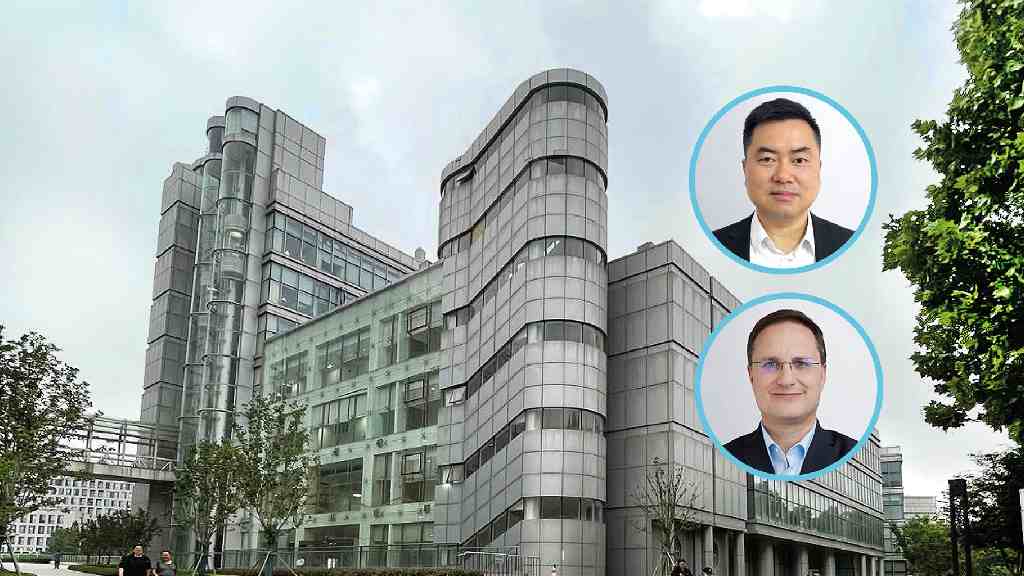
Germany’s Eckelmann Group has announced the appointment of Stefan Becker as Managing Director of its Chinese subsidiary, Eckelmann Automation Technology Co., Ltd., alongside local executive Zhongwei Huang. The new dual leadership structure, based in Shanghai, signals a clear intent to deepen cross-border collaboration and accelerate the company’s growth in Asia’s rapidly evolving automation landscape.
Becker, who also serves as Head of Production, Logistics and Digital Solutions in Wiesbaden, will now co-lead regional operations with Huang, underscoring the Group’s commitment to both global alignment and local expertise.
Advertisments

China is a fascinating country – the products, technologies and capacities will consolidate and further develop the Eckelmann Group’s pioneering position in industrial automation and digitalisation,” said Becker. “We can learn a lot from our local colleagues and consider ourselves lucky to have this team of experts in our Group.”
Regional Signals: Localisation, Integration, and Investment
Eckelmann’s move reflects a broader shift among European automation firms: strengthening regional leadership to better respond to Asia’s diverse market dynamics while integrating local innovation into global strategies.
The company’s strategic aim is not only to expand its sales and service capabilities across Asia but also to absorb cutting-edge developments from China’s automation sector into its global portfolio. In doing so, Eckelmann joins a growing list of firms, including Siemens, Bosch Rexroth, and more, that are localising product development and investing in digitalisation hubs across Asia.
Shanghai’s status as a regional automation and smart manufacturing hub positions it as a critical gateway for customising solutions tailored to the needs of Southeast Asian manufacturers, particularly in sectors such as food & beverage, electronics, and logistics.
Is Dual Leadership the Future?
While dual leadership structures are not new, they often represent a transitional or strategic model that balances global oversight with local autonomy. In Eckelmann’s case, the appointment suggests a deliberate effort to bridge cultures, enhance market responsiveness, and embed regional knowledge into executive decision-making.
This decentralised approach may become increasingly common as Western firms move away from traditional top-down expansion models and toward regionally empowered teams, especially in markets as nuanced and fast-moving as China and Southeast Asia.
Responding to Regional Demand
As industrial automation gains momentum across Southeast Asia, driven by smart factory initiatives, workforce shortages, and the push for supply chain resilience, companies like Eckelmann are positioning themselves not just as solution providers but as collaborative technology partners embedded in the region’s innovation ecosystem.
CEO Volker Kugel noted that this leadership move reinforces the strategic importance of Asia to Eckelmann’s long-term vision. With demand for control systems and automation platforms rising across the region, the Group’s investments in local leadership and cross-border cooperation are likely to pay dividends in the years to come.
Check out our latest news and articles HERE.
Read current and past ISSUES of IAA.
SUBSCRIBE to stay ahead of the game!
Follow us on FACEBOOK and LINKEDIN!